Renting vs. Buying in Greenville, SC: What Should You Consider?
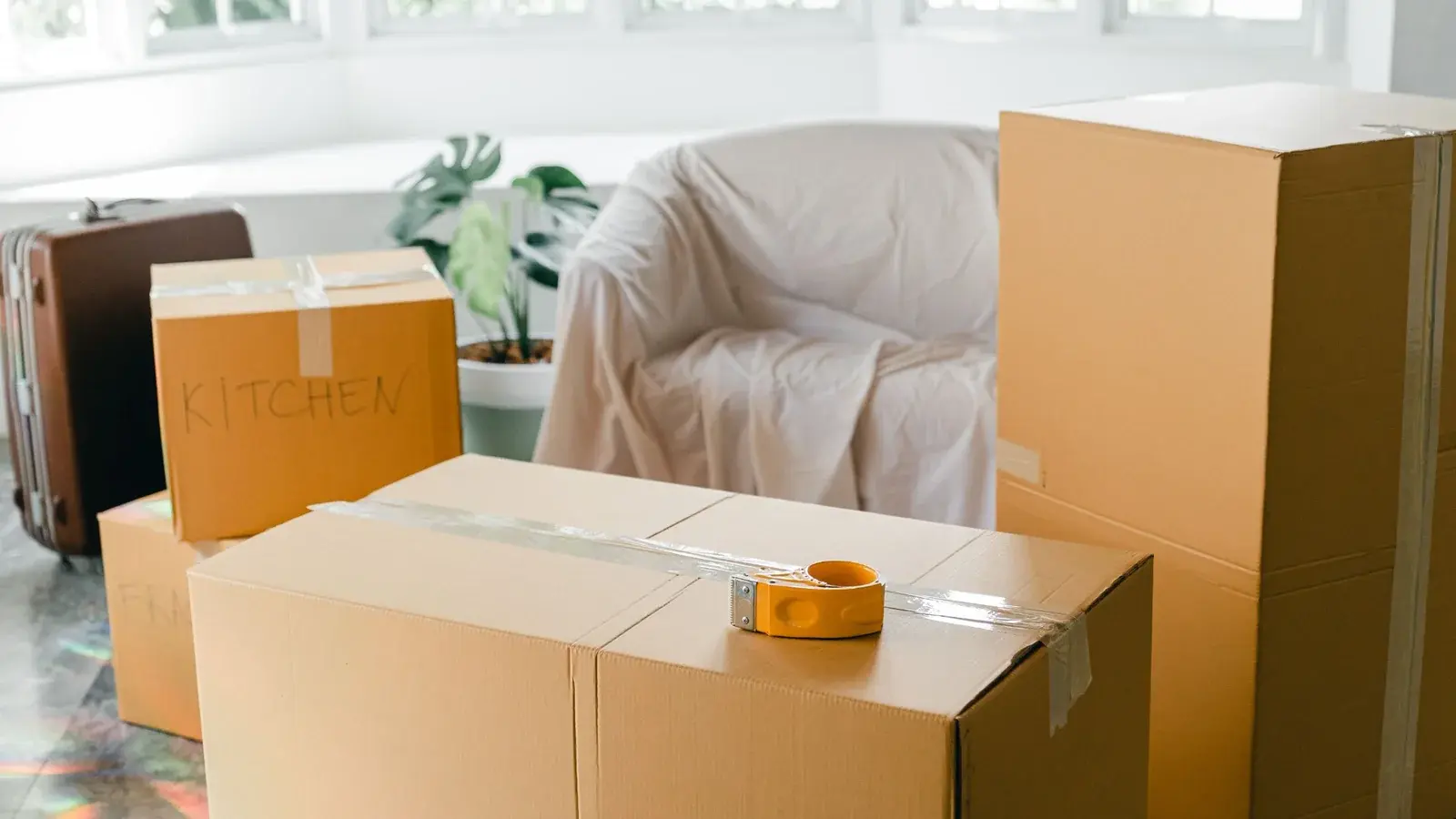
Thinking about renting or buying a home in Greenville? Here's how to compare the costs, flexibility, and lifestyle factors before deciding what's right for you.
If you're thinking about making Greenville, South Carolina, your home, you may be facing a familiar question: Should you rent or buy?
Maybe you're relocating for work and aren't sure which part of Greenville you'd like to live in. Maybe you've been renting for a few years and are wondering whether it's time to purchase a home. Or perhaps you simply want to understand which option makes more financial sense.
There's no single answer that works for everyone.
Renting can give you flexibility and fewer maintenance responsibilities. Buying can offer more control over your living space and the opportunity to build equity over time.
But both come with costs and trade-offs that are worth understanding.
Here's what to consider before making your decision in Greenville.
1. Start With Greenville's Housing Costs
Before deciding whether to rent or buy, it helps to understand what housing currently costs in the area.
According to Realtor.com's October 2026 market data for Greenville, South Carolina:
- Median home listing price: Approximately $394,000
- Median advertised monthly rent: Approximately $1,850
These figures offer a starting point, but they don't tell the whole story.
A median listing price isn't necessarily what a home will sell for, and an advertised rent isn't necessarily what every renter will pay.
Prices also vary depending on the location, size, condition, and type of property.
For example, renting an apartment near downtown Greenville and purchasing a single-family home in Simpsonville aren't directly comparable.
The most useful comparison is between properties that meet similar needs in areas you'd actually consider living.
Source: Realtor.com — Greenville Housing Market, October 2026.
2. Understand the Upfront Costs of Renting and Buying
One of the biggest differences between renting and buying is how much money you'll need before moving in.
If you're renting
Your upfront expenses may include:
- Rental application fees
- Security deposit
- First month's rent
- Additional deposits or fees, if applicable
- Moving expenses
Some rental properties may also require renters insurance.
The exact costs depend on the property, lease terms, and applicable law.
If you're buying
You'll generally need to plan for more expenses upfront.
These may include:
- Down payment
- Closing costs
- Home inspection
- Appraisal and other lender-related expenses
- Moving expenses
- Initial repairs or improvements
You don't necessarily need a 20% down payment to buy a home. Some mortgage programs allow eligible buyers to put down less.
However, a smaller down payment can affect your monthly payment and mortgage insurance costs.
Here's something worth considering: Even if you have enough savings for a down payment, that doesn't mean you should use all of your savings to purchase a home.
You'll still want money available for emergencies and unexpected expenses after moving in.
3. Compare the Full Monthly Costs
It's easy to compare a rental listing with an estimated mortgage payment and assume the lower number is the better deal.
But that comparison can be misleading.
What does renting typically cost each month?
Depending on your lease, you may pay for:
- Monthly rent
- Utilities
- Renters insurance
- Parking, pet fees, or other applicable charges
Some landlords include certain utilities or services in the rent, while others don't.
What does owning typically cost each month?
Homeowners may need to budget for:
- Mortgage principal and interest
- Property taxes
- Homeowners insurance
- Mortgage insurance, if required
- HOA fees, if applicable
- Utilities
- Maintenance and repairs
Imagine comparing an apartment renting for $1,850 per month with a home whose estimated mortgage principal and interest payment is $1,850.
At first glance, they might seem equally affordable.
But once you include property taxes, insurance, and maintenance, the homeowner's total monthly expenses could be significantly higher.
That doesn't automatically make renting the better choice. Part of a mortgage payment may reduce your loan balance and build equity.
It does mean you should compare the full financial picture rather than one monthly number.
4. Think About How Long You'll Stay in Greenville
How long do you expect to live in the area?
This question can make a big difference.
Renting may make sense if your plans are uncertain
Suppose you're moving to Greenville for a new job but aren't sure whether you'll stay long-term.
Renting could give you time to settle in, learn the area, and decide what you want before committing to a home purchase.
It may also make relocating easier if your circumstances change, although you'll still need to consider your lease obligations.
Buying may make sense if you're planning to stay
If you expect to remain in Greenville for several years, buying might be worth exploring.
Purchasing and eventually selling a home can involve substantial transaction costs. Staying longer may give you more time to spread those costs over your years of ownership.
But there's no guaranteed number of years that makes buying financially better.
Your purchase price, financing terms, maintenance expenses, future sale price, and other factors all matter.
A useful question to ask yourself: If your plans changed in two years, how comfortable would you be owning a home that you might need to sell?
5. Consider Greenville and the Surrounding Communities
Greenville isn't just one type of neighborhood or living experience.
Downtown Greenville offers a different setting from many of the communities surrounding the city.
You might enjoy being near restaurants, events, and downtown attractions. Or perhaps you'd prefer a quieter residential area with more space.
Some places worth exploring include:
| Area | What to consider |
|---|---|
| Downtown Greenville | Walkability to certain restaurants, shops, and attractions, depending on the property |
| Simpsonville | Suburban neighborhoods and access to shopping and everyday amenities |
| Greer | A mix of established neighborhoods, newer development, and a distinct downtown |
| Travelers Rest | A smaller-town setting with access to outdoor recreation |
| Mauldin | Residential areas and access to major Greenville-area roads |
| Taylors | Established neighborhoods and a variety of housing styles |
These descriptions are starting points, not guarantees about every property.
Commutes, housing costs, amenities, and the overall feel of an area can vary significantly even within the same community.
Why renting first can be helpful
If you're relocating from another state, renting for a while may help you learn which part of the Greenville area fits your routine.
You might discover that the neighborhood you originally liked isn't the most convenient for your commute.
Or you may find that you enjoy living closer to downtown more than you expected.
Buying can still make sense for someone relocating directly to Greenville. The important thing is researching the location carefully before making a long-term commitment.
6. Don't Forget About Property Taxes in South Carolina
If you're considering buying, property taxes deserve attention.
South Carolina has different property assessment classifications, and eligible owner-occupied primary residences may qualify for a 4% assessment ratio.
In Greenville County, qualifying homeowners must apply for the legal residence classification and meet the applicable requirements.
The 4% assessment ratio does not mean you pay 4% of your home's value in property taxes.
The assessment ratio is one part of the calculation used to determine the tax bill.
The property's taxable value, applicable millage rates, and available exemptions or credits also matter.
Don't assume that the property tax amount shown on a listing or paid by the previous owner will be the same amount you pay.
Before purchasing, review the property tax information with the appropriate county office and ask how your situation may affect the estimate.
Source: Greenville County Real Property Services.
7. Think About Maintenance and Everyday Responsibilities
Here's a difference that doesn't always get enough attention: What happens when something breaks?
When you're renting
Your landlord is generally responsible for many property repairs, subject to the lease and applicable law.
If the heating system stops working or there's a plumbing problem, you would typically contact the landlord or property manager.
You may still have responsibilities for ordinary upkeep or damage, depending on the circumstances.
When you own
You're generally responsible for arranging and paying for repairs.
That could mean handling a small plumbing issue one month and replacing an expensive appliance the next.
You may also need to budget for landscaping, pest control, and maintenance of major systems.
Some people enjoy having control over these decisions. Others prefer not having to manage them.
Neither preference is wrong.
Think about how much time, money, and energy you're comfortable putting into maintaining a property.
8. Understand the Difference Between Rent Payments and Building Equity
You've probably heard someone say, "Why rent when you could be building equity?"
There's some truth behind the idea, but it leaves out important details.
What is home equity?
Home equity is generally the difference between what your home is worth and what you owe on loans secured by it.
As you pay down your mortgage principal, you may build equity.
Your home's market value can also change, which may increase or decrease your equity.
But buying a home doesn't guarantee that you'll make money.
Home values can decline, and selling a property involves costs.
Does renting mean you're wasting money?
Not necessarily.
Rent pays for a place to live, just as many ownership expenses pay for housing services rather than building equity.
Renting may also allow you to keep more savings available or invest money you otherwise would have spent on purchasing and maintaining a home.
The right comparison isn't simply rent versus equity.
It's the overall financial impact of both choices, along with the flexibility and lifestyle each provides.
9. Ask Yourself These Questions Before Deciding
If you're still unsure, try answering these questions:
How long do I expect to stay in Greenville?
If you're uncertain about your future plans, flexibility may be especially valuable.
How much money would I have left after buying?
Consider whether you could comfortably handle an emergency repair or unexpected expense.
Do I know which part of Greenville I want to live in?
If not, renting first could give you time to explore.
Would owning a home fit my monthly budget?
Remember to include taxes, insurance, maintenance, and other ongoing expenses.
How important is flexibility to me?
Think about potential career changes, family needs, and lifestyle preferences.
Am I comfortable handling maintenance and repairs?
Homeownership comes with responsibilities beyond making the mortgage payment.
Your answers may not point clearly toward one option. That's okay.
Sometimes the best next step is gathering more information rather than making an immediate decision.
10. So, Is It Better to Rent or Buy in Greenville?
The answer depends on your circumstances.
Renting may be the better fit if:
- You're new to Greenville and want time to explore.
- Your job or living situation could change soon.
- You want fewer direct maintenance responsibilities.
- You're still building savings.
- You aren't ready for the upfront and ongoing costs of buying.
Buying may be worth considering if:
- You expect to stay in the area for several years.
- You have enough savings for upfront expenses and emergencies.
- Your income and budget can support the full cost of ownership.
- You're comfortable maintaining a property.
- You want more control over your living space and the potential to build equity.
Neither option is automatically better.
The right choice is the one that fits your finances, priorities, and plans.
Planning Your Next Move? Explore Larble's Home Journey
Whether you're thinking about renting or buying, it helps to understand the steps ahead.
Larble's Home Journey feature includes paths for buyers, renters, sellers, and people who are still exploring their options.
You can follow milestones and keep track of your progress as you decide what comes next.
Explore Home Journey on Larble
Frequently Asked Questions
Is it cheaper to rent or buy in Greenville, SC?
It depends on the properties you're comparing, your financing terms, and how long you expect to stay. Renting may require less money upfront, while buying involves additional expenses such as property taxes, insurance, maintenance, and closing costs. Compare the full costs of similar properties rather than just rent and mortgage principal and interest.
Should I rent before buying if I'm moving to Greenville?
Renting first can be helpful if you're unfamiliar with the area. It gives you time to explore communities, understand your commute, and decide where you'd like to live. However, some relocating buyers may already have enough information and financial readiness to purchase directly.
Is buying a home always a good investment?
No. A home can build equity over time, but property values can also decline. Maintenance, financing, and transaction costs affect the financial outcome.
Do homeowners in Greenville qualify for lower property taxes?
Eligible owner-occupied primary residences may qualify for South Carolina's 4% legal residence assessment classification and associated tax treatment. Homeowners must meet the requirements and apply through the appropriate county process.
Final Thoughts
Choosing between renting and buying in Greenville isn't just about which option looks cheaper today.
It's about understanding what you can comfortably afford, how much flexibility you need, and where you see yourself in the next few years.
If you're new to Greenville, give yourself time to learn the area. If you've lived here for years and are thinking about buying, take a careful look at your finances before deciding.
There's no need to rush into homeownership simply because it feels like the next expected step.
A good housing decision is one that works for your life now while leaving room for whatever comes next.
Helpful Resources
- Realtor.com — Greenville Housing Market — Local listing prices, rents, and market trends.
- Greenville County Real Property Services — Property assessments and legal residence classification.
- Consumer Financial Protection Bureau — Buying a House — Mortgage budgeting and buying guidance.
- Fannie Mae — Rent vs. Buy — Comparing the financial and lifestyle differences.
About Larble Guides
Larble Guides provides practical information to help people navigate buying, selling, renting, and relocating. Larble is a real estate connection platform, not a brokerage.
Disclaimer: This article is for general educational purposes and does not constitute financial, legal, tax, or professional real estate advice. Housing prices and rental rates change over time. Property taxes, financing costs, rental obligations, and real estate requirements vary by location and individual circumstances. Consult qualified professionals when making housing and financial decisions.